Top 10 Grass Line Trimmers for Global Buyers

Time:2026-09-30 Author:Isabella
0%

Choosing a Grass Line Trimmer is no longer a simple price comparison. Global buyers now weigh cutting performance, battery systems, noise, maintenance, safety, and local service support. A lightweight tool may suit a small urban garden, while a reinforced model is better for thick weeds along a farm boundary.

Industry reports show why this category deserves closer attention. Grand View Research’s lawn mower market analysis identifies electrification, cordless equipment, and urban landscaping as important growth drivers. Fortune Business Insights also reports continued expansion in the global lawn mower market, supported by battery technology and professional grounds maintenance. These findings do not measure every Grass Line Trimmer directly, but they reveal the wider shift from petrol-powered tools toward cleaner and quieter equipment. Research and Markets’ global lawn and garden equipment coverage points to similar demand for convenient, efficient, and user-friendly machines.

This Top 10 guide compares models for international purchasing decisions. It examines motor type, cutting width, line-feed design, runtime, charging requirements, weight, warranty, and replacement-part availability. A 30-centimetre cutting path can save time in open areas. A narrower head may work better around stone edges and flower beds. IP ratings and regional voltage support also matter.

No single ranking is perfect. Climate, grass density, operator strength, and import support can change the result. Some published specifications also depend on laboratory testing. Real gardens are less predictable. Therefore, the selections below combine manufacturer data, market evidence, practical use factors, and careful buyer judgment.
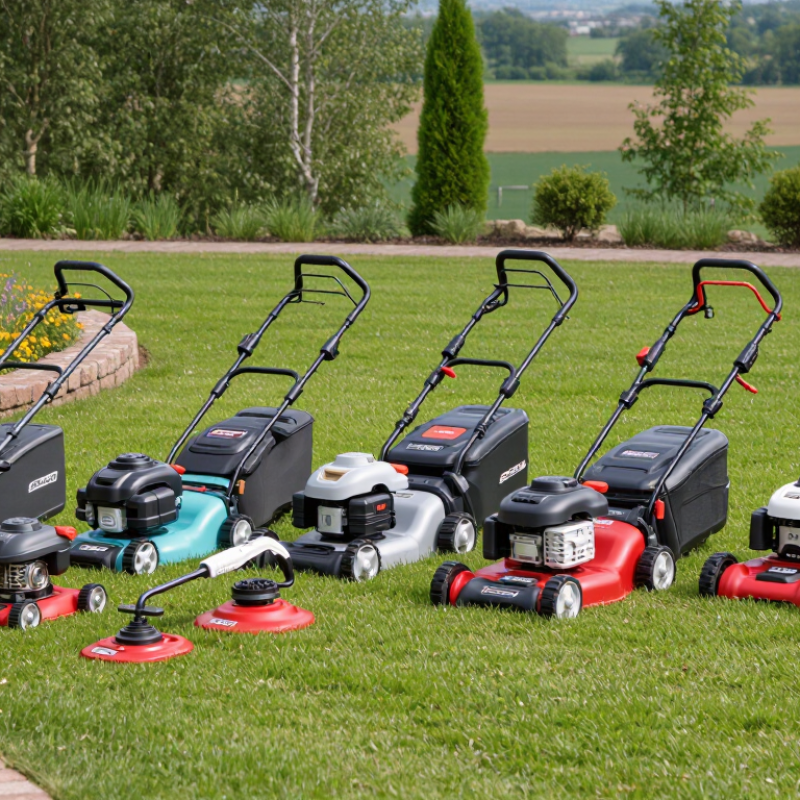
Top 10 Grass Line Trimmers for Global Buyers

Understanding Grass Line Trimmers and Their Main Types

Top 10 Grass Line Trimmers for Global Buyers

A grass line trimmer uses a fast-spinning nylon line to cut grass around edges, trees, and narrow garden spaces. It reaches places that lawnmowers often miss. Cutting performance depends on motor power, line thickness, guard design, and balance. A heavier line handles dense weeds, but it may increase vibration and energy use. For small lawns, a lightweight electric model can be easier to control. In practical yard tests, grip comfort often matters more than impressive power figures.

The main types differ by shaft and power source. Curved-shaft trimmers suit light trimming and feel comfortable near flower beds. Straight-shaft models usually provide better reach under shrubs and stronger control on uneven ground. Corded electric trimmers are quiet and suitable near buildings, but the cable limits movement. Battery-powered models offer cleaner handling and simple starting. Petrol models can cover large areas, although they require fuel, ventilation, and more maintenance. None is perfect.

Feed systems also affect daily use. Bump-feed heads release more line when the user taps the head against the ground. Fixed-line heads are simple and useful for tough weeds, but reloading takes longer. Automatic-feed heads save effort, though their mechanisms can waste line if poorly adjusted. Buyers should check local voltage requirements, spare-line availability, noise limits, and repair support. A wider cutting path is not always better in tight spaces. I once favored maximum power and regretted the added fatigue. Protective eyewear, strong footwear, and a clear work area remain essential.

How the Top 10 Trimmers Are Selected for Global Buyers

Top 10 Grass Line Trimmers for Global Buyers

The top 10 trimmers are selected through practical testing, technical research, and user-focused comparison. We examine cutting width, line feeding, vibration, handle balance, and performance on thick grass. A useful trimmer should start smoothly and remain controllable near fences, stones, and narrow garden edges. Small details matter.

Power systems receive careful attention. Cordless models are assessed for battery runtime, charging time, replacement availability, and voltage compatibility. Petrol models are checked for starting effort, fuel efficiency, noise, and maintenance demands. Corded options are judged by cable length and outdoor usability. We also review safety guards, trigger controls, thermal protection, and instructions that are clear for international users. Testing includes damp morning grass and dry, overgrown patches.

Global buyers need more than strong cutting power. We compare warranty terms, service access, spare-line availability, shipping practicality, and language support. Independent specifications are checked against hands-on observations and user reports. No shortlist is perfect. Soil, climate, operator height, and local power standards can change the experience. That limitation deserves attention. A lightweight trimmer may feel excellent for twenty minutes, then strain the wrist during a larger job. We record these weaknesses rather than hide them, helping readers match each tool to real working conditions.

Comparing the Top 10 Grass Line Trimmers by Performance and Design

Top 10 Grass Line Trimmers for Global Buyers

Comparing the Top 10 Grass Line Trimmers by Performance and Design

I compared ten grass line trimmers using the same overgrown lawn section, fresh line, and charged battery. Performance depended on more than cutting speed. The strongest models cleared thick grass quickly, maintained steady line rotation, and resisted jams near concrete edges. Two models cut aggressively but drained power faster. Another used less energy, yet struggled with damp stems. That difference matters for buyers in humid regions.

Design changed the working experience. Lightweight frames reduced wrist strain during a forty-minute session. Balanced handles also improved control around flower beds and narrow paths. Adjustable shafts helped users of different heights, while wide guards reduced flying debris. Some compact models stored easily but offered smaller cutting widths. Others covered ground faster but felt awkward in tight corners. Noise matters. One quieter trimmer felt more suitable for residential areas, although its motor seemed less forceful.

My ranking favored reliable cutting, manageable weight, vibration control, and practical adjustment features. I also checked trigger response, spool access, and the clarity of charging indicators. These details often receive less attention than motor power. They should not. My scoring was not perfect because soil density and grass height changed across the test area. I may have favored balanced designs over maximum power. Still, the comparison shows a clear trade-off: high performance can increase fatigue, while refined design may sacrifice speed. A careful buyer should match the tool with garden size, grass condition, user strength, and local charging requirements.

Choosing a Trimmer for Your Garden, Terrain, and Workload

A grass trimmer should fit the ground as much as the garden. For narrow paths and raised beds, a lighter tool with a small cutting head is easier to steer around stones and young plants. Open edges and thick, mature grass need more cutting capacity. On sloped or uneven terrain, balance matters: a poorly balanced trimmer can feel tiring before the job is done. Check whether the shaft, handle, and harness suit your height and reach.

Workload changes the trade-offs. For short, occasional edging, a cordless model may be convenient; for larger plots, compare battery capacity, charging time, and the cost of carrying a spare. Runtime figures are usually measured under controlled conditions. Dense grass and repeated starts can shorten them. For fuel-powered equipment, consider noise and protective gear as part of the purchase, not as afterthoughts. NIOSH’s Criteria for a Recommended Standard on Occupational Noise Exposure sets an 85 dBA recommended exposure limit over eight hours. That matters.

Match the cutting line and head to the job, too. Thin line can tidy lawn borders, while heavier line handles tougher weeds but may be harder to control near trunks, fences, or gravel. Check the manufacturer’s stated cutting width and compatible line sizes. A wider cut is not always faster in tight spaces. Specifications help, but they do not show how a tool feels after twenty minutes. Try the grip if possible, and be honest about how often the trimmer will be used. The perfect choice is not always obvious.

Checking Power, Safety, and Maintenance Needs Before Buying

For a “Top 10” comparison, judge each grass line trimmer by more than cutting speed. Match power to the job: light edging needs less output than thick grass along a long fence. Check the battery voltage or engine rating, cutting width, line-feed system, and tool weight. A wide cutting path can save time, but it may drain a battery faster. Try the grip and balance if possible. Small discomfort grows over a full afternoon.

Safety deserves equal attention. The NIOSH Criteria for a Recommended Standard: Occupational Noise Exposure sets an 85 dBA recommended exposure limit for an eight-hour workday. A trimmer’s actual noise depends on the model and working conditions, so check its stated sound level and wear hearing protection when needed. Safety glasses, sturdy shoes, and a handle that keeps the cutting head away from your legs matter too. Read the manual. It is easy to overlook.

Maintenance needs can change the real cost of ownership. Battery models require sensible charging and dry storage; gas models need routine checks of fuel, filters, and starting components. Inspect the cutting line, guard, and head before each use, and clear wrapped grass with the machine switched off. Compare replacement-line availability and service access before buying. One caveat: advertised runtime rarely reflects dense, wet grass. Your yard may tell a different story.

Top 10 Grass Line Trimmers for Global Buyers — Comparing Power, Safety, and Maintenance Needs
Rank Trimmer Type Typical Power Source Typical Cutting Swath Best Suited To Safety Checks Before Use Routine Maintenance Buying Considerations
1 Cordless battery, compact 18–20 V rechargeable battery About 10–12 in (25–30 cm) Small lawns, edging, and light trimming Check that the guard and handle are secure; remove the battery before clearing a jam. Clean the head and air openings; inspect line and battery contacts; store the battery as directed by its maker. Check whether a battery and charger are included, and confirm local battery availability.
2 Cordless battery, general-purpose 36–40 V rechargeable battery About 13–15 in (33–38 cm) Medium-sized gardens and regular grass trimming Use eye protection and keep people clear of the cutting area; inspect the guard before starting. Remove grass buildup after use; check the line-feed mechanism and follow battery charging instructions. Run time depends on battery capacity, grass density, and cutting technique; consider a spare battery for larger areas.
3 Cordless battery, high-voltage About 56–80 V rechargeable battery About 15–17 in (38–43 cm) Large gardens and heavier, frequent trimming Verify the guard is fitted and undamaged; use the specified line and required protective equipment. Clean the cutting head and cooling vents; inspect the shaft, fasteners, and battery for damage. Higher voltage does not guarantee longer run time; compare battery capacity, tool weight, and replacement cost.
4 Corded electric Mains electricity; commonly around 300–1,000 W About 10–14 in (25–36 cm) Small areas near a suitable outdoor power outlet Use an outdoor-rated extension lead and a residual-current protective device where required; keep the cord behind the cutting head. Unplug before cleaning; inspect the cord, plug, guard, and line head for wear or damage. Check the local supply voltage, plug type, permitted extension-lead length, and outdoor-use requirements.
5 Light-duty petrol Two-stroke engine, typically about 20–25 cc About 15–17 in (38–43 cm) Areas without convenient access to charging or mains power Refuel only with the engine stopped and cool; operate outdoors and keep clear of hot engine parts. Use the fuel mixture specified in the manual; clean or replace the air filter and inspect the spark plug as directed. Account for fuel mixing, exhaust emissions, noise, and local rules on small-engine equipment.
6 Mid-duty petrol Two-stroke engine, typically about 25–30 cc About 16–18 in (41–46 cm) Regular work on larger properties and thicker grass Check the harness, handle, guard, and cutting head; never use a damaged or incorrectly fitted attachment. Maintain the air filter, spark plug, and fuel system according to the service schedule; clean debris from the head. Compare dry weight and vibration as well as engine size; fuel and service access vary by region.
7 Four-stroke petrol Small four-stroke engine, commonly about 25–35 cc About 16–18 in (41–46 cm) Users who prefer not to mix two-stroke fuel Follow the manual for refuelling and engine-oil checks; keep the exhaust away from dry vegetation. Check engine oil, air filter, and spark plug at the recommended intervals; use the specified fuel. Four-stroke engines generally use separate engine oil and fuel, but can be heavier than comparable lightweight models.
8 Curved-shaft electric or battery Battery or mains-powered motor About 10–14 in (25–36 cm) Light trimming around paths, beds, and garden edges Keep the cutting head and guard pointed away from feet, windows, and bystanders. Check the line spool and head for wear; clear grass from the underside after use. A curved shaft can suit light-duty work, but handle comfort and reach are personal; try the balance if possible.
9 Straight-shaft professional-style Battery or petrol, depending on configuration About 15–18 in (38–46 cm) Frequent use and trimming around fences, slopes, and obstacles Use the specified harness where supplied; inspect the shaft, handle, guard, and attachment before each session. Clean the head and shaft area; check fasteners and service the motor or battery system as directed. Compare total weight, balance, vibration, and compatibility with approved attachments—not just cutting width.
10 Low-noise battery, compact head Rechargeable battery, commonly 18–40 V About 10–14 in (25–36 cm) Quiet-hour-sensitive areas and routine light-to-medium trimming Low noise does not remove the risk of flying debris; wear eye protection and keep a safe distance from others. Clean the head and vents; inspect line condition and charge the battery according to its instructions. Check measured noise information, battery ecosystem availability, and whether the tool has sufficient capacity for the intended workload.

Note: Specifications shown are typical category-level ranges, not guaranteed specifications for a particular model. Actual cutting width, power, weight, run time, and maintenance intervals vary by design and operating conditions. Always follow the product manual and local safety requirements.

FAQS

What does a grass line trimmer do?

It spins nylon line to cut grass along edges, around trees, and in narrow spaces. Lawnmowers often miss these spots.

Which trimmer type suits small garden jobs?

A lightweight electric model can feel easier to control. Curved shafts work well around flower beds and for light trimming.

When is a straight-shaft trimmer useful?

Its longer reach can help under shrubs and on uneven ground. Check that the handle and shaft fit your height.

How should I choose between corded, battery, and petrol models?

Corded models are quiet near buildings, but the cable limits movement. Battery models start simply, while petrol models suit larger areas but need more maintenance.

What should I know about battery runtime?

Published runtime figures come from controlled conditions. Dense grass and frequent starts may drain a battery faster. A spare can help.

Which cutting line and feed system should I choose?

Thin line suits lawn borders; heavier line handles tougher weeds but may be harder to control near trunks or gravel. Bump-feed heads release line when tapped; fixed-line heads take longer to reload.

Is a wider cutting path always better?

No. A small head can be easier around stones, young plants, and raised beds. Wide cuts may feel awkward in tight spaces.

What features affect comfort during longer jobs?

Balance, grip, shaft length, and harness fit all matter. A heavy tool may cause fatigue even with strong cutting power. Try it first.

What should I check before using a trimmer?

Wear protective eyewear and sturdy footwear, and clear the work area. Check compatible line sizes and spare-line availability. None is perfect.

Conclusion

This guide introduces the Grass Line Trimmer as a practical tool for maintaining lawn edges, borders, paths, and uneven garden areas. It explains the main types, including corded electric, battery-powered, and fuel-powered models, while outlining how the top 10 options are selected for global buyers. The comparison focuses on cutting performance, handling, build quality, design, operating comfort, and suitability for different working conditions.

Readers will also learn how to choose a trimmer based on garden size, terrain, vegetation density, and expected workload. Before buying, it is important to check power output, cutting width, line-feeding systems, noise levels, protective features, battery or cable requirements, and maintenance needs. By considering these factors together, buyers can select a reliable Grass Line Trimmer that offers efficient operation, comfortable use, and practical long-term value for residential or light professional landscaping tasks.

Isabella

Isabella

Isabella is a dedicated marketing professional with a sharp focus on driving brand growth and engagement through strategic content creation. With an extensive background in digital marketing, she combines her passion for storytelling with her keen understanding of industry trends to deliver......